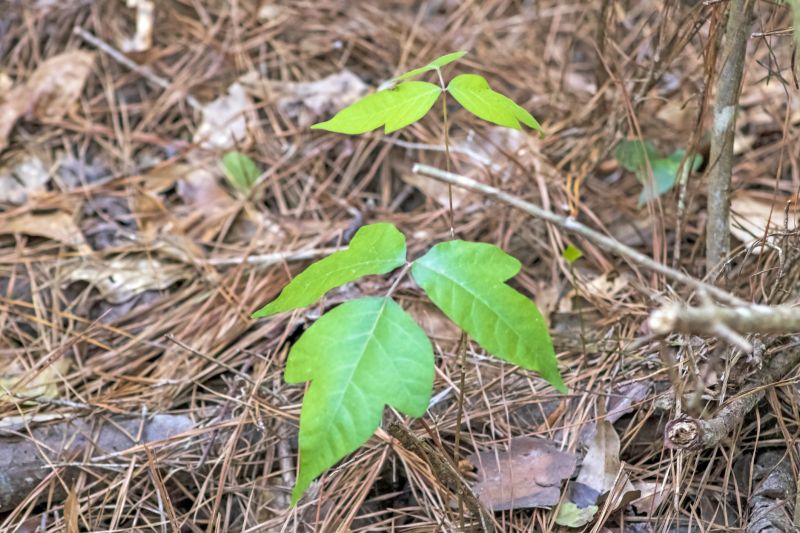
Poison Oak Removal in Lancaster County, PA
Poison oak removal services are designed to help homeowners safely eliminate this hazardous plant from residential properties. These services typically cover a range of projects, including clearing overgrown areas, maintaining gardens, and managing outdoor spaces where poison oak has become invasive or poses a risk of skin irritation. Property owners often seek these services to prevent accidental contact, especially in yards, trails, or recreational areas, ensuring that outdoor environments remain safe and accessible for family activities and outdoor enjoyment.
Before requesting poison oak removal, property owners should consider the extent of the infestation, the location of the plants, and whether the plants are in hard-to-reach areas. Understanding the size of the affected area and any nearby structures or landscaping features can help determine the scope of work needed. It is also useful to know if there are any specific safety concerns or sensitivities, so appropriate precautions can be taken during removal. Proper identification of poison oak is essential to avoid confusion with similar plants, and professional removal services can provide guidance on ongoing maintenance to prevent regrowth.
Many property owners in Lancaster County, PA look into Poison Oak Removal for repairs, replacements, upgrades, and appearance-related improvements.
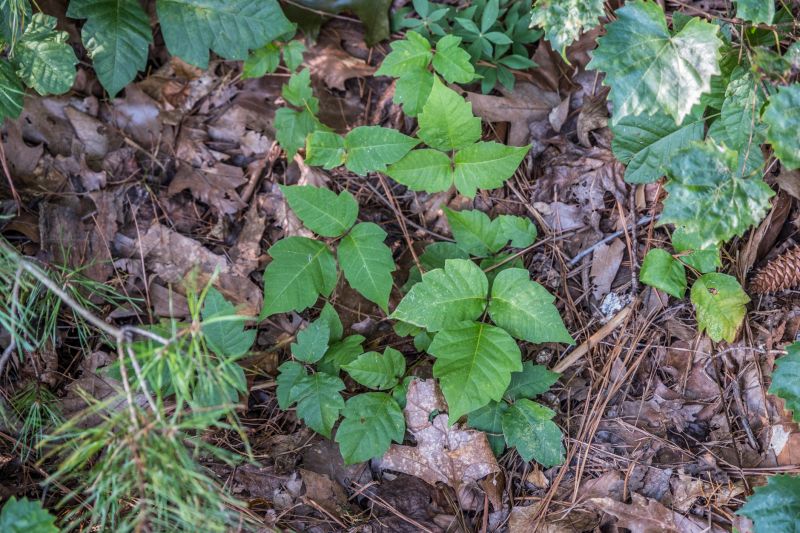
Poison Oak Identification
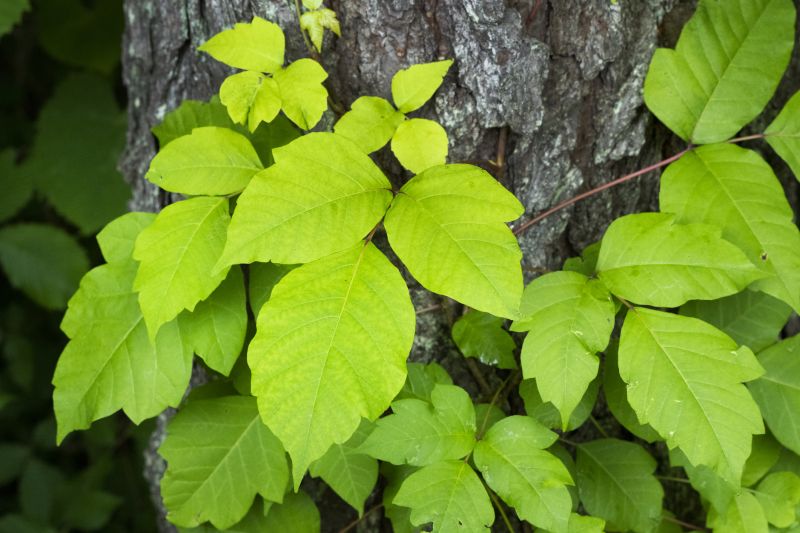
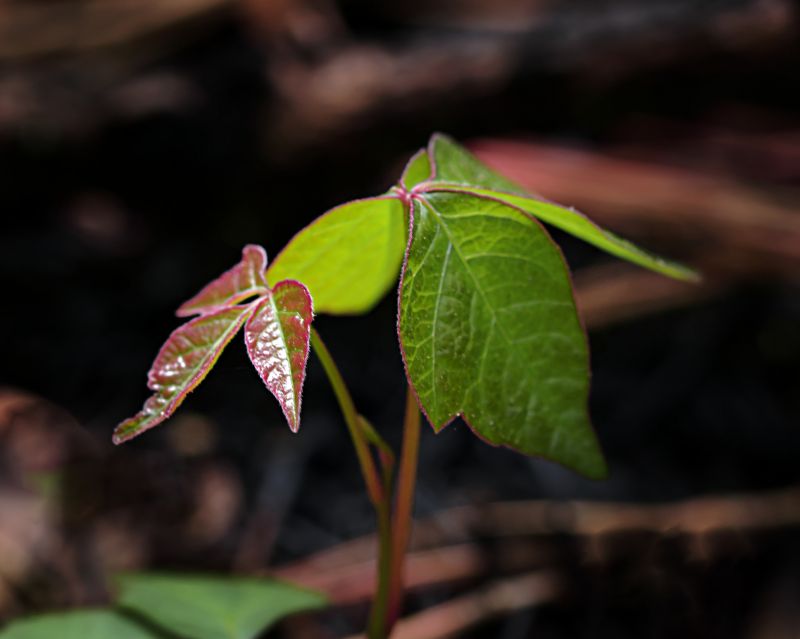
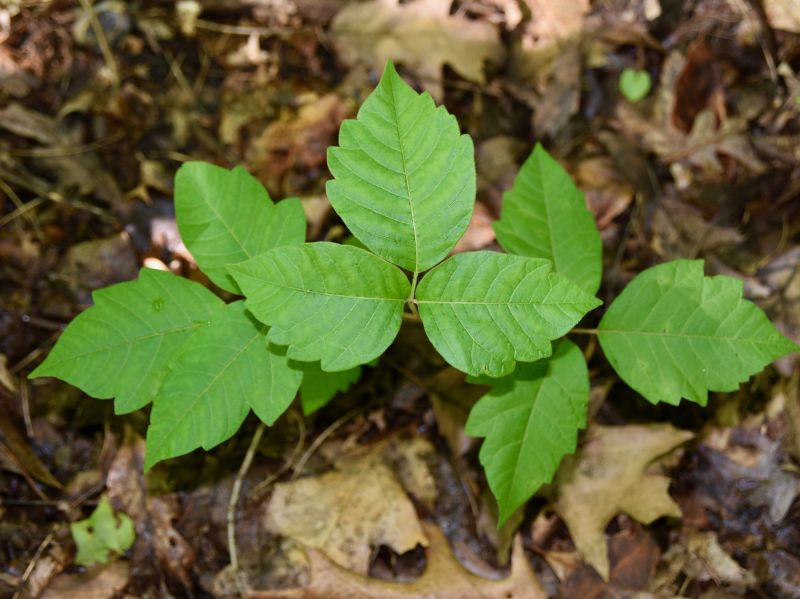
Understanding how to recognize poison oak can help prevent skin irritation and exposure on properties in lancaster county.
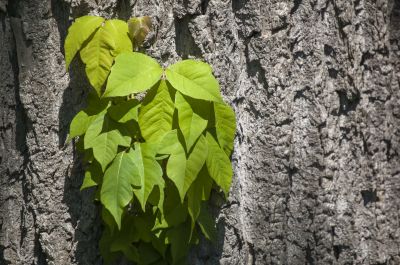
Hazardous Plant Removal
Removing poison oak safely is essential for protecting families and pets from allergic reactions and skin contact.
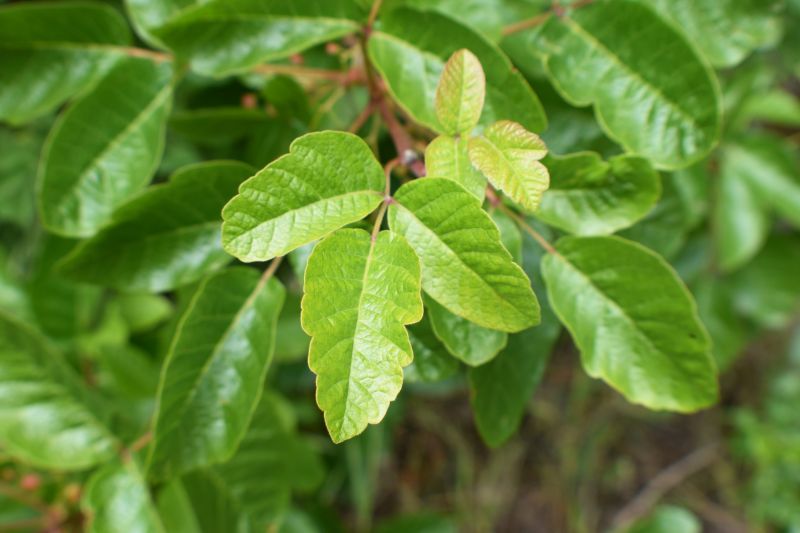
Property Maintenance & Safety
Regular removal of poison oak contributes to a safer outdoor environment for homes and recreational areas in lancaster county.
Poison Oak Removal in Lancaster County, PA
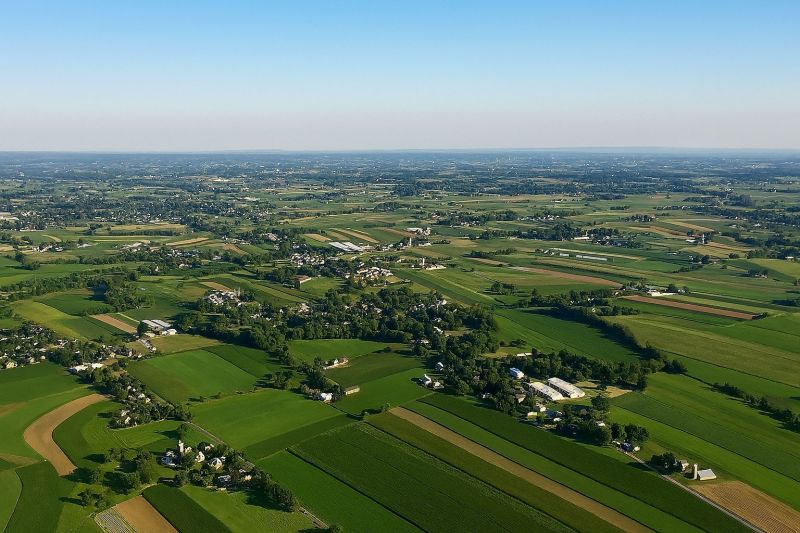
Poison oak removal services are designed to help homeowners safely eliminate this hazardous plant from residential properties. These services typically cover a range of projects, including clearing overgrown areas, maintaining gardens, and managing outdoor spaces where poison oak has become invasive or poses a risk of skin irritation. Property owners often seek these services to prevent accidental contact, especially in yards, trails, or recreational areas, ensuring that outdoor environments remain safe and accessible for family activities and outdoor enjoyment.
Before requesting poison oak removal, property owners should consider the extent of the infestation, the location of the plants, and whether the plants are in hard-to-reach areas. Understanding the size of the affected area and any nearby structures or landscaping features can help determine the scope of work needed. It is also useful to know if there are any specific safety concerns or sensitivities, so appropriate precautions can be taken during removal. Proper identification of poison oak is essential to avoid confusion with similar plants, and professional removal services can provide guidance on ongoing maintenance to prevent regrowth.
Many property owners in Lancaster County, PA look into Poison Oak Removal for repairs, replacements, upgrades, and appearance-related improvements.
Common Poison Oak Removal Jobs
Poison Oak Removal Questions
What is poison oak removal? Poison oak removal involves safely eliminating the plant from residential or commercial properties to prevent skin irritation and health risks.
When should poison oak be removed? Removal is recommended when poison oak is growing in areas frequented by people or pets, especially if it poses a risk of contact or spread.
What areas are typically targeted for poison oak removal? Common areas include yards, gardens, trails, and other outdoor spaces where the plant might grow unnoticed.
Why hire a professional for poison oak removal? Professionals ensure safe and effective removal, reducing the risk of skin contact and preventing regrowth or spread of the plant.
Request Poison Oak Removal in Lancaster County, PA
Use the quote form on this page to share the basics of your project and request more information for the type of work you need.