Get Poison Ivy Removal
Local contractors offer Poison Ivy Removal services to safely eliminate hazardous plants from yards, gardens, and outdoor spaces, preventing skin irritation and property damage.
If your property is affected by poison ivy, finding reliable removal services is an important step toward maintaining a safe and enjoyable outdoor space. Property owners in the area often seek professional help to effectively identify and eliminate this plant, preventing potential skin irritations and ensuring the landscape remains healthy. Exploring local contractors can provide practical solutions tailored to your specific needs, whether tackling a small patch or a larger area that requires careful attention.
Comparing options among nearby service providers helps property owners plan their projects with confidence, ensuring they choose experienced professionals who understand the local environment. By connecting with trusted local contractors, you can access the expertise needed to safely and efficiently remove poison ivy, making your outdoor areas safer and more inviting. Keep reading to learn more about how local pros can assist with your removal needs.
- Poison Ivy Removal - when invasive plants pose a risk to property or personal health.
- Poison Ivy Cleanup - after overgrowth has taken over yards or garden areas.
- Poison Ivy Control - to prevent future growth in residential or commercial landscapes.
- Poison Ivy Clearing - when clearing land for construction or landscaping projects.
- Poison Ivy Eradication - to safely remove plants that threaten outdoor recreational spaces.
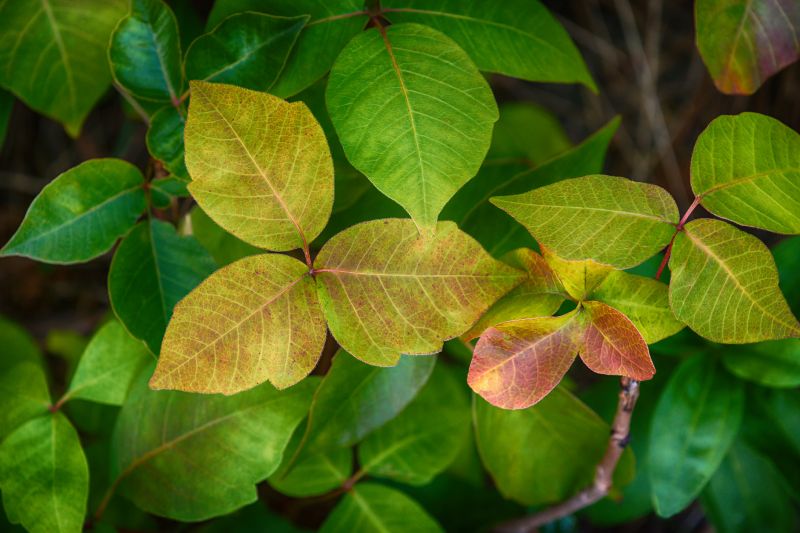
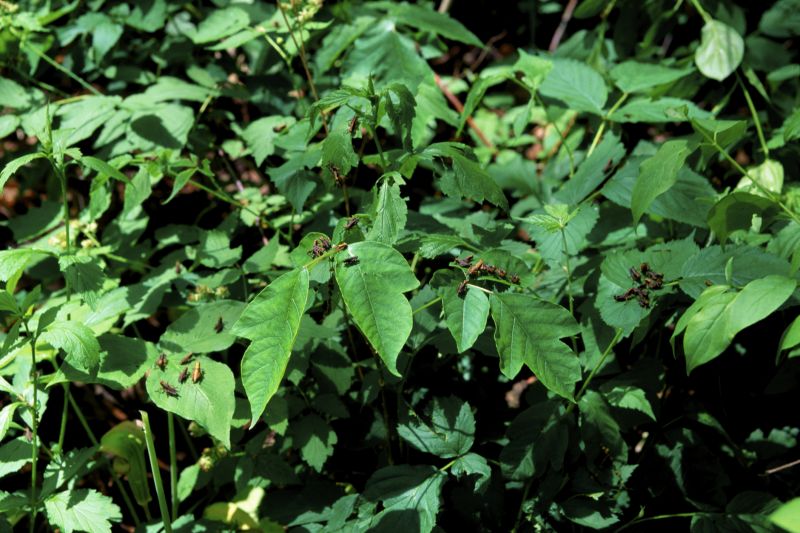
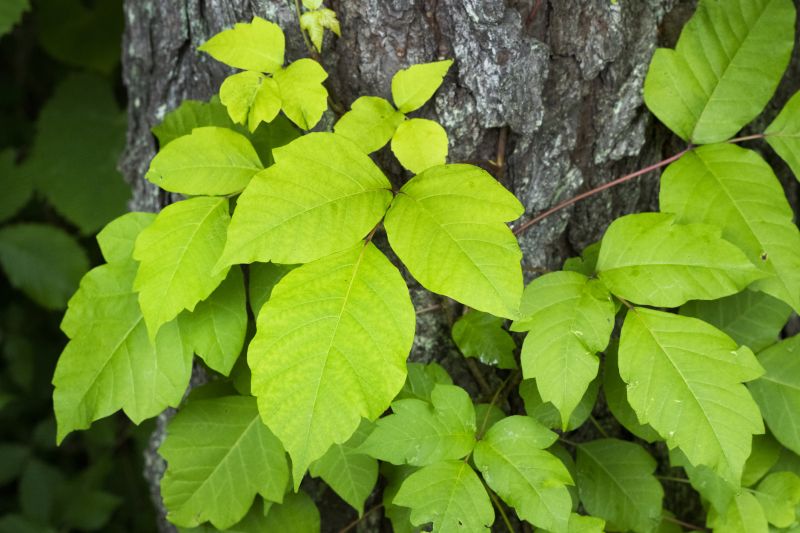
Poison ivy removal services involve identifying and safely eliminating this invasive plant from residential or commercial properties. Skilled contractors typically use specialized tools and techniques to carefully remove the poison ivy, ensuring that the plant is fully eradicated without damaging surrounding landscaping. In some cases, the removal process may include treating the area with herbicides or other methods to prevent regrowth, especially if the plant has spread extensively. The goal is to clear the affected areas efficiently while minimizing the risk of skin irritation or allergic reactions for property occupants.
This service helps address a variety of problems associated with poison ivy. The plant’s presence can pose health risks to homeowners and visitors due to its urushiol oil, which can cause severe skin rashes and allergic reactions. Poison ivy can also threaten the safety of outdoor spaces by spreading quickly across yards, fences, or wooded areas, making it difficult to maintain safe and accessible environments. Additionally, the plant’s aggressive growth can damage existing landscaping, trees, or structures if left unchecked. Removing poison ivy helps create a safer, more enjoyable outdoor space and prevents the plant from spreading further.
Properties that often utilize poison ivy removal services include residential yards, landscaping projects, commercial properties, parks, and recreational areas. Homes with large yards or wooded surroundings are common candidates, especially if the plant has taken root in areas where children or pets play. Commercial properties, such as outdoor event spaces or golf courses, may also seek removal to ensure safety and compliance with local regulations. In general, any property experiencing the encroachment of poison ivy or facing difficulty in controlling its spread can benefit from professional removal services to restore safety and aesthetics.
Homeowners typically seek poison ivy removal when they notice the plant growing along fences, driveways, or near outdoor living spaces. It is also a common concern for those clearing overgrown areas or preparing gardens for planting. Property owners who want to prevent accidental contact or allergic reactions often turn to local contractors for effective removal. Whether dealing with a small patch or a widespread infestation, professional services can provide a thorough solution that helps maintain a safe and healthy outdoor environment. Contacting experienced service providers can ensure the job is done properly and efficiently.
The overview below groups typical Poison Ivy Removal projects into broad ranges so you can see how smaller, mid-sized, and larger jobs often compare in your area.
In many markets, a large share of routine jobs stays in the lower and middle ranges, while only a smaller percentage of projects moves into the highest bands when the work is more complex or site conditions are harder than average.
Smaller Jobs - Removing poison ivy from a small area typically costs between $250 and $600. Many routine removal projects fall within this range, especially for yards with limited growth. Larger or more stubborn patches may require additional treatments, increasing the overall cost.
Moderate Removal - For medium-sized areas or moderate infestations, local contractors often charge between $600 and $1,200. These projects are common and usually involve more extensive clearing and treatment efforts. Costs can vary depending on the extent of the ivy and access to the site.
Large or Complex Projects - Larger or more complicated poison ivy removal jobs can range from $1,200 to $3,000 or more. Fewer projects fall into this high-cost range, typically involving difficult terrain, multiple treatment sessions, or extensive landscaping work.
Full Property Removal - Complete removal of poison ivy across an entire property may cost $3,000 to $5,000+ for comprehensive service. These larger projects are less common and often involve significant labor, safety precautions, and follow-up treatments to ensure complete eradication.
Actual totals will depend on details like access to the work area, the scope of the project, and the materials selected, so use these as general starting points rather than exact figures.
Brush Clearing and Vegetation Management - Professionals skilled in clearing dense brush and managing overgrown vegetation can handle projects similar to poison ivy removal, requiring careful planning and the use of specialized tools.
Tree and Shrub Removal - Removing problematic trees or shrubs involves similar skills in safely handling hazardous plants and using pruning or cutting tools to access difficult areas.
Landscaping and Site Preparation - Landscaping projects often require clearing invasive or unwanted plants, making use of planning and removal techniques comparable to poison ivy eradication.
Fence Line Clearing - Clearing overgrown vegetation along fence lines involves similar techniques for safe and effective removal of invasive plants and vines.
Storm Damage Cleanup - Removing fallen branches and debris after storms often requires vegetation management skills that align with those needed for poison ivy removal.
Trail and Pathway Maintenance - Clearing overgrown paths and maintaining safe access routes involves vegetation control skills similar to those used in poison ivy removal projects.
When comparing service providers for Poison Ivy removal, it’s important to consider their experience with similar projects. Homeowners should inquire about how many Poison Ivy removal jobs the contractor has completed and whether they have handled properties comparable in size and complexity. An experienced local contractor will have a better understanding of effective removal techniques and potential challenges specific to the area, which can contribute to a more thorough and efficient job.
Clear written expectations are essential to ensure that both parties are aligned on the scope of work. Homeowners should seek detailed descriptions of the services offered, including what the removal process entails, any necessary follow-up, and guarantees of what will be addressed. Having these expectations documented helps prevent misunderstandings and provides a basis for evaluating the quality of the work once completed.
Reputable references and strong communication are key factors when selecting a Poison Ivy removal service. Homeowners are encouraged to ask for references from past clients who had similar work done and to verify the quality of the service provided. Good communication throughout the process-such as responsiveness to questions and clarity in explanations-can make the experience smoother and more predictable. It’s important to remember that these local contractors are available to handle the work, and the site’s role is to introduce homeowners to trusted options rather than perform the removal itself.
Property owners use Poison Ivy Removal services for practical projects around their homes and businesses. This guide focuses on everyday jobs and straightforward project options.
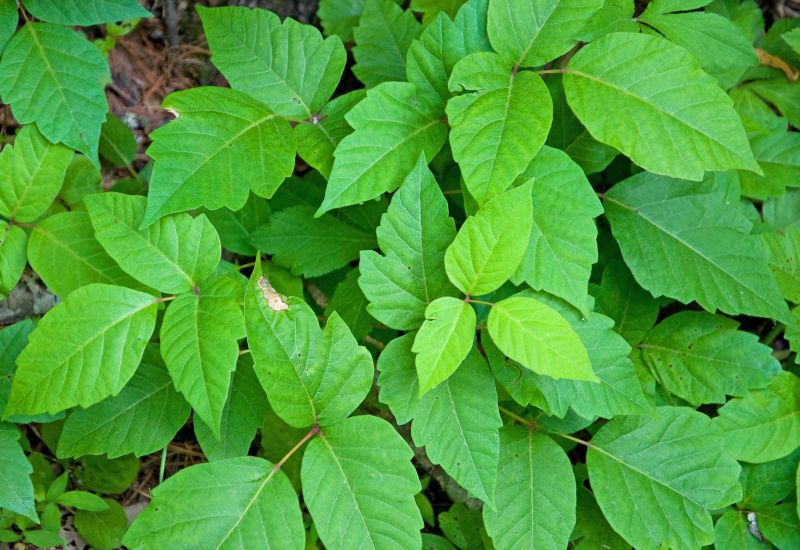
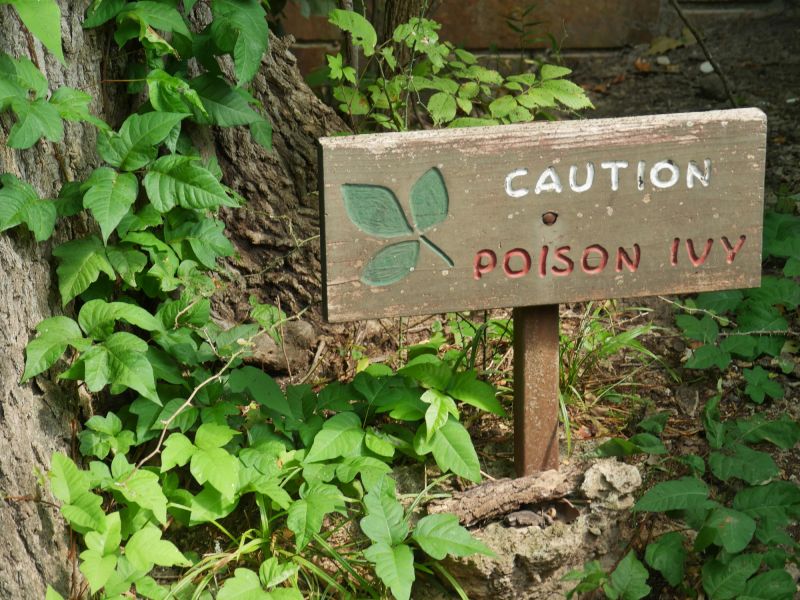
Poison ivy can pose a common challenge for property owners engaged in outdoor projects such as landscaping, gardening, or yard cleanup. Overgrown patches can spread quickly, making it difficult to maintain a safe and enjoyable outdoor space. Local contractors who specialize in plant removal services are often called upon to safely and effectively eliminate poison ivy from gardens, fences, and wooded areas, helping property owners prevent skin irritation and protect their families and pets.
In many cases, property owners seek poison ivy removal to prepare for seasonal activities like outdoor gatherings or to ensure safe access around their property. Whether clearing a pathway or maintaining a landscaped yard, experienced local service providers can handle the job efficiently. They can assess the extent of the growth and recommend appropriate removal methods, enabling property owners to restore their outdoor areas and reduce the risk of accidental contact.
What causes poison ivy to grow in certain areas? Poison ivy typically thrives in shaded, moist environments such as woods, fences, and along stream banks, where it can spread easily.
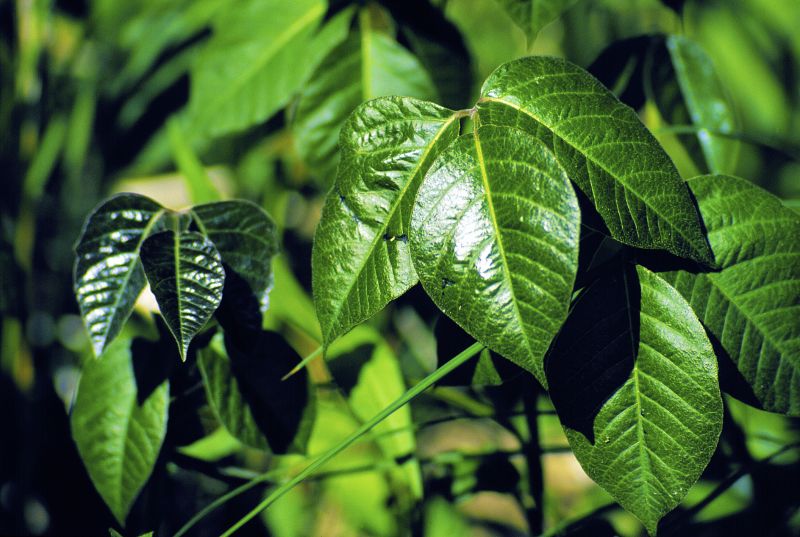
How can I identify poison ivy? Poison ivy usually has clusters of three leaflets with a shiny or matte appearance and can be green, red, or orange depending on the season.
Are there risks associated with attempting poison ivy removal myself? Yes, handling poison ivy without proper precautions can cause skin irritation or allergic reactions; professional service providers are experienced in safe removal methods.
What methods do local contractors use to remove poison ivy? They often use manual removal, herbicide application, or a combination of both to effectively eliminate poison ivy from the property.
How can I prevent poison ivy from regrowing after removal? Proper disposal of plant debris and implementing barrier methods can help prevent regrowth, and some service providers offer advice on ongoing control.
Poison Ivy Removal for Yard Safety - Removing poison ivy can help prevent skin irritation and allergic reactions during outdoor activities in your yard. Local contractors can safely eliminate the plant to make outdoor spaces safer for family and pets.
Clearing Poison Ivy from Fences and Structures - If poison ivy is growing on fences, decks, or other structures, professional removal can protect these areas from damage and improve overall property appearance.
Maintaining a Pest-Free Landscape - Poison ivy can attract pests like ticks and insects; removing it can contribute to a healthier, pest-free outdoor environment.
Preparing for Landscaping or Garden Projects - Clearing poison ivy is often a necessary step before starting new landscaping or gardening projects to ensure a safe and clean work area.
If you are thinking about Poison Ivy Removal for a property, this guide is meant to help you understand the work, the typical project types, and how different options might fit your plans.
When you are ready, you can use the quote form on this page to share a few details about your project. From there, local pros can review the basics and respond with options that match what you have in mind.